
Visits per year
Global POIs
Integrated partners
Top 50 national advertisers
Clicks only tell part of the story. For brands with physical locations, the most important question is not who clicked the ad but did that ad bring someone through the door. Store visit attribution answers that question with precision, connecting digital impressions across every channel to the actual in-store visits and sales they drive.
This guide covers everything marketers need to know: how attribution works, how offline conversion tracking is measured, the difference between visit lift and incrementality, how privacy-safe attribution models operate, which media channels can be measured, industry-specific use cases, and how location-based measurement compares to traditional multi-touch attribution (MTA).
The Role Of Real-Time Campaign Optimization
Optimizing a media buy involves pulling on available levers to improve outcomes of interest from a brand’s perspective. Typical levers include budget (re)allocation, frequency, creative, bidding strategy, managing audiences and tactics, and more. For brands with physical locations, Foursquare Attribution enables them to calculate Cost per Incremental Visit and Incremental Visit conversion rates. Advertisers can analyze which parts of a media buy are driving high store visits most efficiently, and then correctly allocate additional budget across the buy.
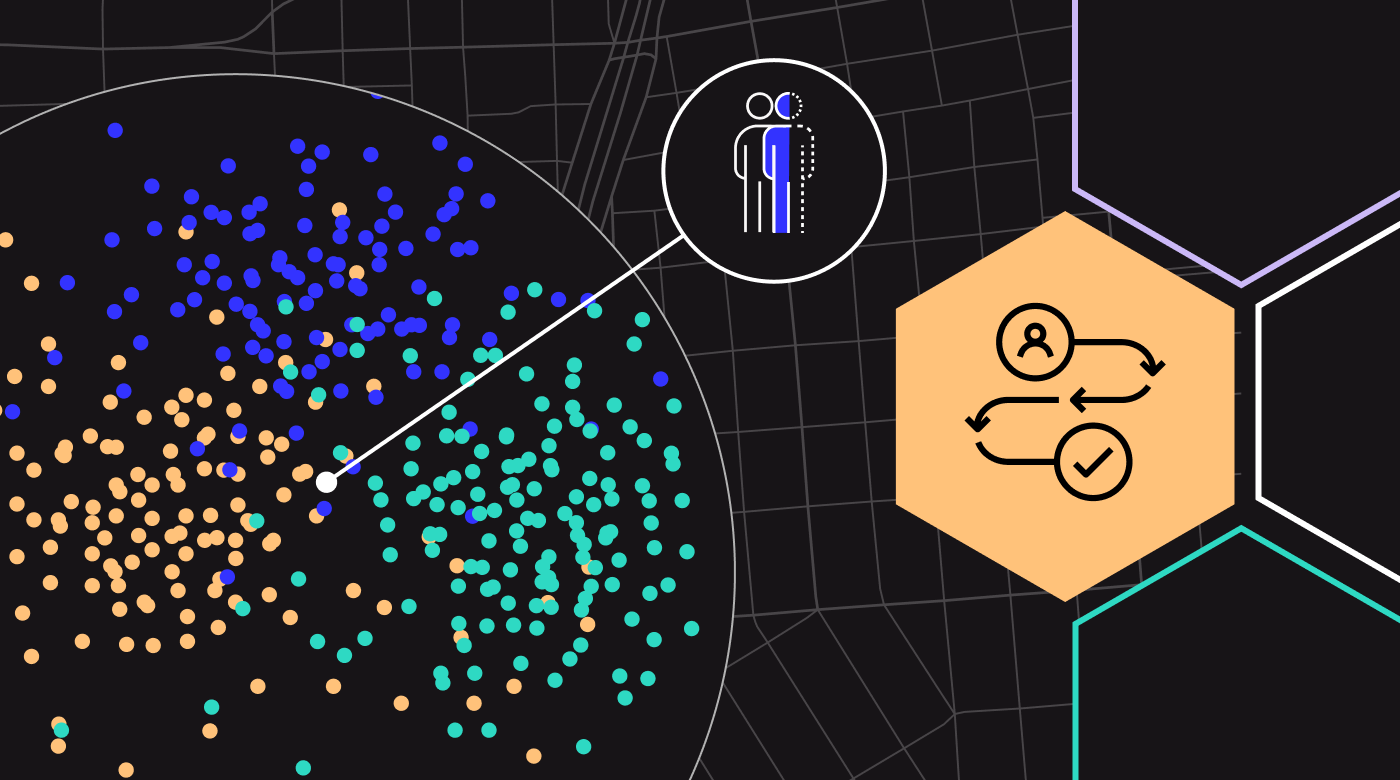
Foursquare also enables advertisers to understand the optimal frequency at which users see ads, the reach driven by partners, and the volume of impressions and visits that result from the media buy. All of these metrics should be tracked and considered when making optimization decisions to ensure that shifting focus to specific parts of the media buy does not negatively impact other important KPIs.
Real-time campaign optimization helps minimize media spend waste in many different ways:
Understanding the customer journey
Each stage in the customer journey represents a unique phase in the consumer’s interaction with a brand and requires tailored marketing activation strategies to effectively guide consumers from one phase to the next. While each brand’s customer journey may look a little different, they generally encompass the following critical stages in a consumer’s path to purchase:

#1. Awareness
Awareness is the initial stage where potential customers first encounter a brand. At this point, the goal is to capture attention and generate interest. Brands employ various tactics such as social media campaigns, influencer partnerships, search engine optimization (SEO), and online advertisements to increase visibility. Content marketing plays a vital role here, offering valuable and engaging content that resonates with the target audience. The effectiveness of this stage is typically measured by reach and engagement metrics, indicating how well the brand is making an impression on potential customers.

#2. Consideration
Consideration follows awareness and involves deeper engagement as consumers evaluate the brand’s offerings. During this stage, consumers compare products or services, read reviews, seek recommendations, and consume detailed content such as blogs, videos, and user guides that provide comprehensive information and emphasize the brand’s unique value propositions. Retargeting ads, email marketing, and personalized content can effectively nurture leads through this phase. The focus here is on building trust and addressing any potential concerns, positioning the brand as a credible and preferred choice. Common success metrics for this stage include engagement stats on content designed specifically to guide potential customers from awareness to conversion.

#3. Conversion
Conversion is the critical juncture where interest turns into action, culminating in a purchase decision. This stage demands a seamless and persuasive experience. Promotional offers, limited-time discounts, and customer testimonials often incentivize the final decision. E-commerce sites must ensure user-friendly navigation, secure payment options, and clear calls-to-action, while abandoned cart reminders and follow-up emails also help in converting hesitant online prospects. Similarly, brick-and-mortar stores must foster purchase-friendly environments with optimized store layouts, positive staff interactions, and convenient checkout options. The success of this stage is measured by conversion rates and sales metrics, indicating how effectively the brand can turn interest into revenue.

#4. Loyalty
Loyalty is the final and ongoing phase of the customer journey, focusing on retaining customers and fostering long-term relationships. Post-purchase engagement is crucial, involving activities like personalized follow-up emails, loyalty programs, and exclusive offers for repeat customers. Providing exceptional customer service and gathering feedback for continuous improvement are also key. Additionally, brands often leverage social media and community-building efforts to maintain engagement and encourage advocacy. Measuring customer retention rates, repeat purchase behavior, and net promoter scores (NPS) helps assess the effectiveness of loyalty strategies.
The customer journey is ultimately a cycle in which converted customers are continuously nurtured throughout the loyalty stage to maintain and increase brand awareness and influence them to consider and make more purchases.
Overcoming “The Browsing Effect”
Still, gaining visibility into what really happens after a customer visits a store has long been difficult, and keeping up with ever-changing customer behavior continues to challenge marketers. Many are left with unanswered questions… We’ve learned how to drive incremental visitors to our locations, but what happens after that? Did we motivate them to buy? Or, worst of all, did the campaign deliver customers to the store to just kill time browsing?
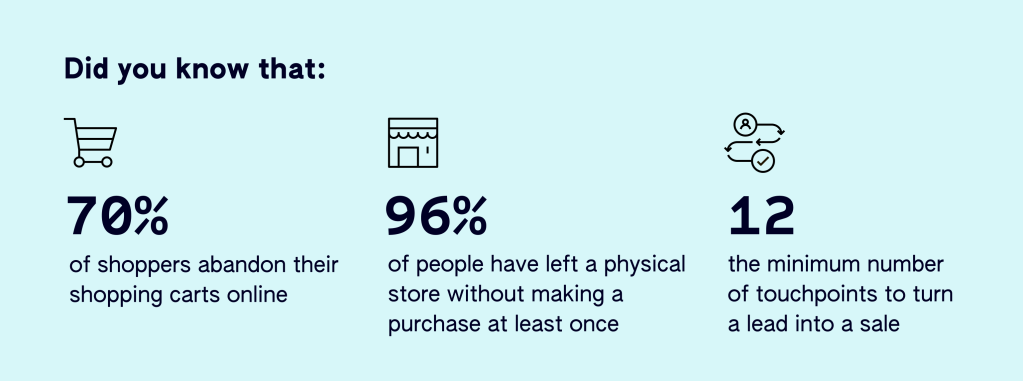
With the release of Sales Impact, Foursquare is offering a truly differentiated way to overcome “the browsing effect” and answer these long-confounding questions with multidimensional, holistic measurement.
FAQ
Lorem Ipsum Lorem Ipsum
Lorem Ipsum Lorem Ipsum Lorem Ipsum Lorem Ipsum Lorem Ipsum Lorem Ipsum Lorem Ipsum Lorem Ipsum Lorem Ipsum Lorem Ipsum Lorem Ipsum Lorem Ipsum Lorem Ipsum Lorem Ipsum Lorem Ipsum Lorem Ipsum
Lorem Ipsum Lorem Ipsum
Lorem Ipsum Lorem Ipsum Lorem Ipsum Lorem Ipsum Lorem Ipsum Lorem Ipsum Lorem Ipsum Lorem Ipsum Lorem Ipsum Lorem Ipsum Lorem Ipsum Lorem Ipsum Lorem Ipsum Lorem Ipsum Lorem Ipsum Lorem Ipsum Lorem Ipsum Lorem Ipsum Lorem Ipsum Lorem Ipsum
Lorem Ipsum Lorem Ipsum
Lorem Ipsum Lorem IpsumLorem Ipsum Lorem IpsumLorem Ipsum Lorem IpsumLorem Ipsum Lorem IpsumLorem Ipsum Lorem IpsumLorem Ipsum Lorem Ipsum
Lorem Ipsum Lorem Ipsum
Lorem Ipsum Lorem IpsumLorem Ipsum Lorem IpsumLorem Ipsum Lorem IpsumLorem Ipsum Lorem IpsumLorem Ipsum Lorem IpsumLorem Ipsum Lorem IpsumLorem Ipsum Lorem IpsumLorem Ipsum Lorem IpsumLorem Ipsum Lorem IpsumLorem Ipsum Lorem Ipsum
Ready to measure the full impact of your campaign?
Request a demo | Download the Attribution 2026 Guide | Speak to Sales